
Lubricating oil keeps engines, turbines, compressors, and machinery running — until it doesn't. Oil degrades, picks up contamination, and loses its protective properties over time, often before there's any visible sign of trouble. SGM National Laboratory is an Oil Analysis Lab in India that tests industrial and lubricating oils to catch degradation early, helping manufacturing plants, transport fleets, power stations, and mining operations plan maintenance before a failure happens instead of after.
An oil sample carries information about the equipment it came from, not just the oil itself. Wear metals in the oil can indicate which components are wearing down, while contamination may point to seal, filter, or handling problems. Additive depletion can show how much protective life remains in the oil. An Oil Analysis Lab in India can review these results together to provide a clearer picture of equipment condition. Regular oil analysis helps identify developing problems early, allowing maintenance teams to plan corrective action before minor issues become costly failures, unexpected repairs, or unplanned shutdowns.
Our oil and lubricant testing covers key properties related to oil quality, condition, contamination, and performance. At our Oil Analysis Lab in India, we test viscosity, density, moisture, flash point, pour point, TAN, TBN, oxidation, nitration, additives, and wear metals. Testing supports quality control, condition monitoring, maintenance planning, and reliable lubricant evaluation.

Measures an oil’s resistance to flow and helps assess its lubricating performance. Testing identifies changes in oil thickness that may affect lubrication, component protection, operating efficiency, and overall equipment performance.

Detects trace metals such as iron, copper, aluminium, and chromium in used oil. The type and concentration of wear metals can indicate internal component wear and help identify developing equipment problems.

Identifies contaminants such as dirt, dust, water, coolant, and fuel dilution in oil. Testing helps assess contamination levels that may reduce lubricant performance, increase wear, and affect equipment reliability.

Measures oxidation and nitration products formed during oil service. These indicators help evaluate lubricant degradation caused by heat, air, and combustion byproducts and support decisions about oil condition and replacement.

Evaluates changes in lubricant additives that provide protection against wear, oxidation, corrosion, and deposits. Testing helps determine additive condition and identify changes that may affect oil performance during service.

Measures the amount of water present in an oil sample. Excess moisture can reduce lubrication performance, promote corrosion, accelerate oil degradation, and contribute to equipment wear or operating problems.

Determines the acidic content of an oil and helps monitor oxidation and lubricant degradation. Increasing TAN values can indicate chemical changes in the oil and support timely maintenance or replacement decisions.

Measures the remaining alkaline reserve in lubricating oil, particularly engine oils. TBN testing helps assess the oil’s ability to neutralize acidic compounds and indicates changes in protective capacity during service.

Flash point indicates the temperature at which oil vapours can ignite, while pour point shows low-temperature flow behaviour. Testing helps evaluate handling, storage, safety, and suitability for operating conditions.
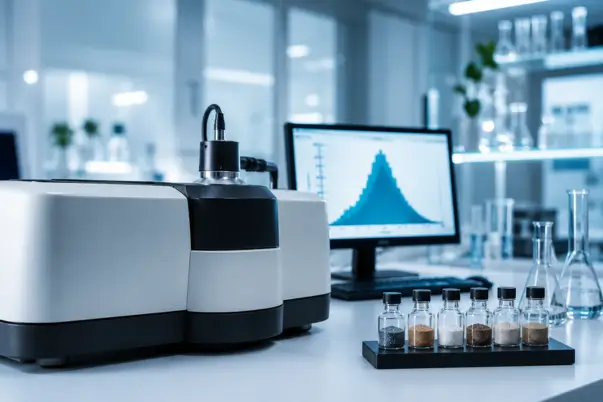
Oil analysis is one of the most reliable ways to monitor machinery health before small issues turn into major failures. At SGM National Laboratory, we provide Oil Analysis Lab services in India using advanced instruments like viscometers, spectrometers, and FTIR systems to detect wear, contamination, and oil degradation early. Our Oil Testing Lab delivers fast, accurate, and repeatable results for lubricants used across automotive, power, mining, and manufacturing sectors. The detailed reports support predictive maintenance, cost savings, and longer equipment life — helping industries stay ahead of unplanned breakdowns.
Our advanced testing equipment delivers accurate results for viscosity, wear metals, contamination, and other oil parameters. Reliable data helps industries assess lubricant condition, plan maintenance, and reduce the risk of unexpected equipment issues.
We process oil samples efficiently while maintaining testing accuracy and quality. Timely reports help your team understand lubricant condition sooner, respond to developing issues, and make informed maintenance decisions before problems become costly.
We analyze wear metals, oxidation, nitration, and additive condition to identify changes in lubricant health. Comparing results over time helps detect developing equipment issues and supports maintenance planning based on actual testing data for better equipment reliability and performance.
Our laboratory provides a broad range of oil testing services, including viscosity, wear-metal, contamination, oxidation, nitration, moisture, and additive analysis to provide a clearer understanding of lubricant quality and condition.
Based in Rajasthan, we support clients across India with oil and lubricant testing services. Our testing helps automotive, mining, manufacturing, power, and other industries evaluate lubricant quality and equipment condition.
Our oil testing reports present results, units, and relevant testing information clearly. The data helps quality and maintenance teams understand lubricant condition, compare results, identify changes, and make informed technical decisions.
Oil analysis goes beyond checking if oil “looks fine.” At SGM National Laboratory, an Oil Analysis Lab in India, we test oil and lubricant samples to reveal what’s happening inside the equipment they came from — degradation, contamination, and wear that aren’t visible by eye. This supports predictive maintenance, cost control, and equipment longevity across industries relying on engines, turbines, compressors, and hydraulic systems. We evaluate key characteristics, including:
| Parameter | Why It Matters |
|---|---|
| Viscosity | Determines whether oil is within its intended thickness range to lubricate and protect moving parts effectively. |
| Wear Metal Content | Detects trace metals like iron, copper, and aluminium that indicate which internal components are wearing down. |
| Water Content | Identifies moisture contamination, which accelerates corrosion and reduces lubricating performance. |
| Fuel Dilution | Measures fuel contamination in engine oil, which thins the oil and reduces its protective properties. |
| Oxidation Level | Assesses breakdown caused by heat and air exposure, indicating how much useful service life the oil has left. |
| Nitration Level | Measures combustion byproduct buildup, relevant mainly to engine oils operating under high thermal load. |
| Additive Depletion | Checks whether protective additive packages are still active or have been used up during service. |
| Particle Contamination | Detects dirt, dust, and solid debris that accelerate component wear and can clog filters or narrow passages. |

Lubricant testing for pumps, compressors, gearboxes, and process machinery used in chemical operations. Analysis helps assess oil quality, contamination, oxidation, and wear to support equipment protection and maintenance decisions.

Oil testing for industrial machinery, hydraulic systems, gearboxes, compressors, and specialized equipment. Analysis provides data on viscosity, wear metals, contamination, and degradation to support condition monitoring and maintenance decisions.

Oil and lubricant testing for crushers, mills, hydraulic systems, compressors, and construction machinery. Testing helps detect wear, contamination, and oil degradation, supporting preventive maintenance and reducing unexpected equipment downtime.

Engine oil, gear oil, transmission fluid, and lubricant testing for vehicles and fleets. Analysis helps monitor oil condition, identify wear and contamination, plan maintenance, and reduce the risk of unexpected breakdowns.

Turbine, generator, transformer, and hydraulic oil testing for power and energy facilities. Analysis helps monitor lubricant condition, detect contamination and wear, and support reliable equipment operation and planned maintenance.

Oil testing for excavators, cranes, loaders, earthmovers, and other heavy equipment. Testing identifies wear metals, contamination, viscosity changes, and oil degradation caused by heavy loads, dust, and demanding operating conditions.

Testing of engine oils, gear oils, hydraulic fluids, and other marine lubricants. Analysis helps identify wear metals, contamination, viscosity changes, and oil degradation to support reliable operation of marine equipment.

Lubricant testing for compressors, pumps, gearboxes, hydraulic systems, and industrial machinery. Analysis helps evaluate oil condition, detect contamination and component wear, and support preventive maintenance and equipment reliability.

Testing of high-performance lubricants used in aviation-related equipment and machinery. Analysis evaluates viscosity, contamination, wear metals, and lubricant condition to support maintenance planning and reliable equipment performance.

Oil analysis is laboratory testing of lubricants and hydraulic fluids to evaluate viscosity, contamination, wear metals, moisture, and additive condition. The results help identify changes in oil quality and potential equipment issues before visible problems develop.
Oil analysis provides data about lubricant and equipment condition, helping reduce maintenance guesswork. It can identify abnormal wear, contamination, or oil degradation early, allowing teams to plan maintenance before problems lead to unexpected downtime.
Viscosity testing measures an oil’s resistance to flow and shows whether it remains within the required range for proper lubrication. Changes in viscosity can indicate contamination, degradation, or other conditions that may affect component protection.
Spectrometric wear-metal analysis detects trace metals such as iron, copper, aluminium, and chromium in oil. The concentration and combination of metals can provide useful information about internal component wear and help identify developing equipment problems.
Oil testing can identify contaminants such as dust, dirt, water, coolant, and fuel dilution. Detecting these substances and measuring their levels helps assess lubricant condition, understand potential causes, and determine appropriate maintenance actions.
Oxidation occurs when oil reacts with heat and oxygen, while nitration is associated with combustion-related chemical reactions. Both can affect lubricant condition and performance, making their measurement useful for monitoring oil degradation during service.
Lubricating oils contain additives that support protection against wear, oxidation, corrosion, and deposits. Additive depletion testing helps evaluate changes in these components and provides useful information about lubricant condition and remaining performance.
Oil testing supports predictive maintenance by tracking changes in lubricant and wear-related results over time. Trends can reveal developing problems early, helping maintenance teams schedule inspections or repairs before equipment failure causes unexpected downtime.
Oil analysis is widely used in automotive, manufacturing, mining, power, marine, aviation, construction, and engineering industries. It helps monitor lubricants, identify contamination and wear, and support reliable equipment operation and maintenance planning.
Unusual equipment noise, overheating, frequent oil top-ups, changes in oil appearance, or visible particles can indicate a need for testing. Oil analysis can help determine whether contamination, degradation, or abnormal wear is affecting lubricant condition.
Oil testing frequency depends on equipment type, operating conditions, lubricant, criticality, and service environment. Heavily loaded or critical machinery may require more frequent analysis, while lighter-duty equipment may follow a less frequent testing schedule.
Before submitting an oil sample, provide the equipment type, lubricant type, operating hours or mileage, oil-change history, and any known issues. Sharing your testing objectives also helps the laboratory recommend relevant parameters for analysis.
Oil testing can support longer equipment life by identifying contamination, abnormal wear, viscosity changes, and lubricant degradation at an early stage. Addressing these conditions promptly can help reduce unnecessary wear and support more reliable equipment operation.
Yes. Oil testing can benefit businesses of different sizes by helping monitor equipment condition and identify developing problems. Even operations with limited machinery can use analysis to support maintenance planning and reduce the risk of costly unexpected failures.
Collect oil samples using a clean, suitable container and avoid introducing dirt, moisture, or other contaminants. Where appropriate, sampling from operating equipment can provide a representative sample. Proper sampling technique helps ensure more reliable laboratory results.
After receiving your oil test report, review the results against applicable specifications, previous results, or equipment requirements. The findings can help identify changes in oil condition and support decisions about continued monitoring, maintenance, or further investigation.